Permissible
The word
Independent food guide
Halal is a question of what is permissible — not a ranking, not a tax, and not a list of supermarket brands. This rebuilt library explains the word, the Australian export rules, and the everyday work of cooking, dining and travel.
At a glance
Permissible
The word
AGAHP
Export red meat
Voluntary
Retail labels
Not a certifier
This site
Halal Choices is an independent Australian guide to halal food: what the word means, how export red-meat certification is described by the Australian Government, and how households cook, dine and travel without pretending that a website can bless a factory or a restaurant.
This is not the old product-list site, and it is not a certifier. We do not publish prices, opening hours, operator names, rankings, awards, event calendars, or invented statistics. We do not republish archive profiles. Where a fact is stated, it is tied to a primary page you can open.
Halal means permissible. In everyday Australian English it is used most often about food, especially meat, but the underlying idea is broader: what is lawful for a Muslim to use or consume. Food that is not permissible is commonly described as haram.
Two distinctions keep coming back on this site, because they are the ones that cause the most confusion in a supermarket aisle:
Food Standards Australia New Zealand explains that the Food Standards Code does not include requirements for religious, environmental or other “consumer value” labels such as “halal” or “kosher”. Suppliers may provide that information voluntarily, provided it is not false, misleading or deceptive under consumer and fair trading laws. The Australian and New Zealand governments restated support for that non-regulatory approach in 2016.
The Department of Agriculture, Fisheries and Forestry explains a separate system for export red meat and red meat products: the Australian Government Authorised Halal Program (AGAHP), described as a three-way partnership between the Australian Government, Approved Islamic Organisations, and export-registered establishments. The department states that Australia is one of the few non-Muslim countries with legislation covering production, segregation, integrity and traceability of export halal red meat. That program is not a ranking of suburban takeaways.
Read in the order that matches your question:
Heritage addresses from the old WordPress years are kept where they were clean, and rewritten. Messy filenames, brand micro-pages and parking-site leftovers are redirected or returned as a real 404. Unknown URLs do not silently become the homepage.
We will not tell you that a named supermarket line is certified. We will not tell you that a named certifier is “the best”. We will not quote a market size. We will not invent an audit fee. Those are the traps the archive fell into, and they are the traps this rebuild refuses.
If you need a current list of Approved Islamic Organisations for export red-meat certification, use the department’s own list. The department marks that page with a currency date; we do not copy the table into this site as if we maintained it.
If you need to know whether a label claim is allowed, start with FSANZ on value-based labelling and with the ACCC page on false or misleading claims. A religious word on a packet is still a claim.
Halal is a religious category. Treating it as a consumer-rights slogan or as a conspiracy about “hidden tax” does not help a reader buy dinner. This site explains the official export program and the ordinary work of reading a label. It does not take a political position on whether a company should seek a mark. It does not list who has paid whom.
If you are a manufacturer looking for the export pathway, the department — not this website — is the competent starting point. If you are a household looking for a Tuesday night meal, the recipes and dining pages are written for you.
Primary pages we return to throughout the library:
From here, the work is ordinary: read the next page, keep the distinctions, and treat every specific product or venue as a question for the people who actually make or serve the food.
Meaning, scope, and the difference between a dietary rule and a printed mark.
Read the guide →
DAFF’s export program, Approved Islamic Organisations, and what a retail sticker is not.
Read the guide →
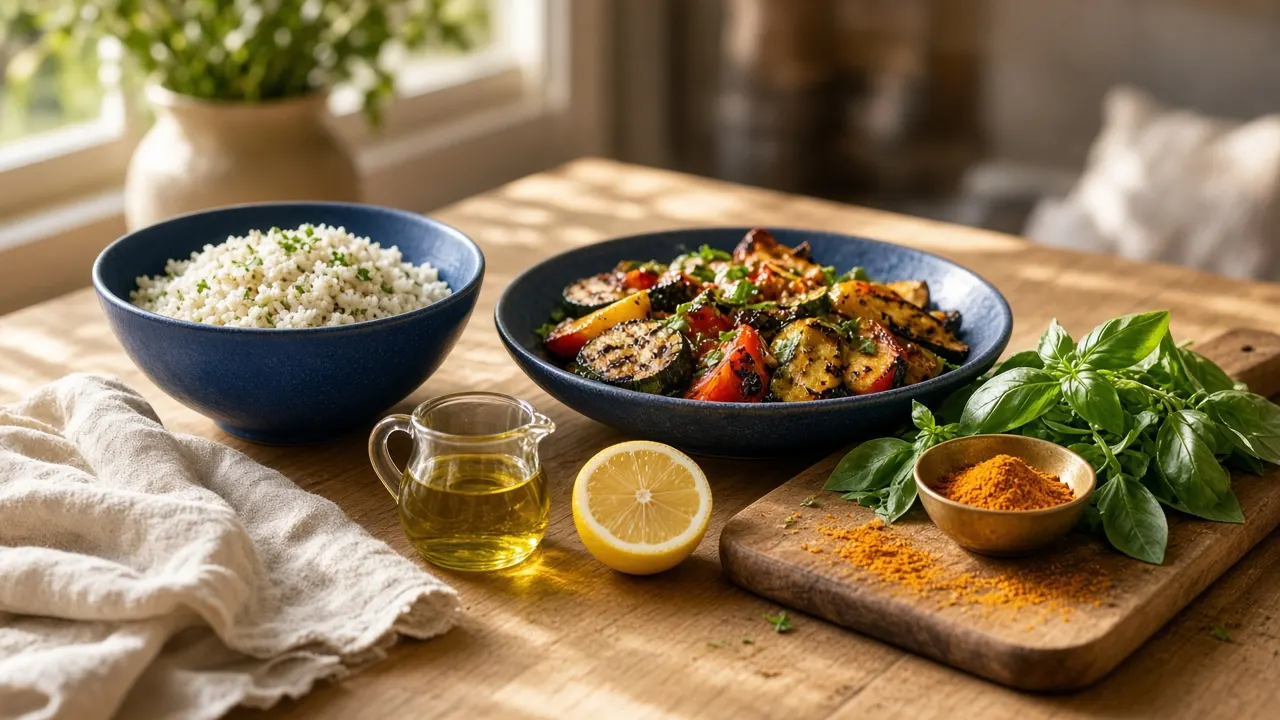
Home cooking that starts from identifiable ingredients.
Read the guide →
Questions for kitchens — without a venue directory.
Read the guide →
Planning meals on Australian roads, flights and ferries.
Read the guide →
Suhoor and iftar food planning for Australian hours.
Read the guide →
Halal is Arabic for permissible or lawful under Islamic law. In food, it describes what a Muslim may eat and how some foods — especially meat — must be produced. It is not the same thing as a logo on a packet.
Yes. Fresh fruit, vegetables, grains and many simple ingredients are widely treated as permissible without a certificate. Certification is a separate commercial and, for some export meat, regulatory process.
No. Halal Choices is an independent information guide. We do not endorse certifiers and we do not list businesses as certified.
Food Standards Australia New Zealand states that the Food Standards Code does not include requirements for religious labels such as “halal”. Suppliers may add them voluntarily if the claim is not false or misleading.
The Department of Agriculture, Fisheries and Forestry describes the Australian Government Authorised Halal Program for export red meat and meat products, including the role of Approved Islamic Organisations.
If you only read one page, read what halal is. If you need the official export framework, go to certification and follow the department links.